Girls Halloween Costume Ideas & Design
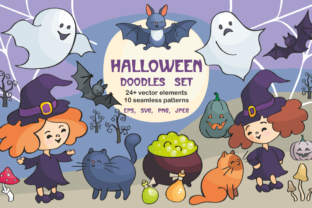
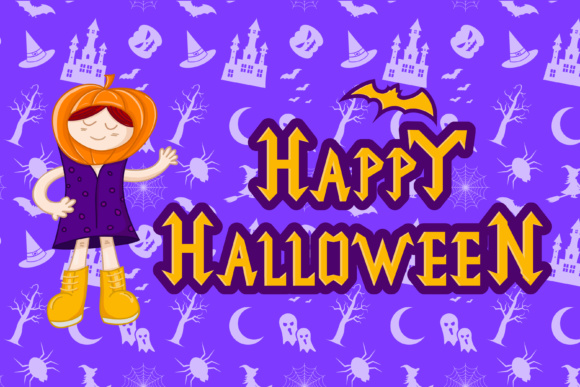
Girls Halloween costume design isn’t just about dressing up—it’s a canvas for storytelling, identity exploration, and visual communication. Whether you’re illustrating a children’s book, designing print-on-demand apparel, curating a boutique collection, or building a social media campaign, the Girls Halloween Costume motif offers rich creative leverage. Its strength lies in its balance of familiarity and flexibility: recognizable tropes (witches, ghosts, fairies) invite instant connection, while seamless pattern backgrounds—think swirling cobwebs, floating pumpkins, or ghostly silhouettes—add depth, texture, and professional polish without overwhelming the subject.
Why Seamless Patterns Elevate Girls Halloween Costume Design
Seamless patterns transform static costume concepts into scalable, versatile assets. Unlike clipped illustrations or photo-based mockups, a well-designed seamless background allows designers to:
- Apply consistent visual language across product lines—tote bags, stickers, web banners, or digital ads—without reworking layouts;
- Preserve clarity when resizing: vector-based or high-res tileable patterns maintain crispness at any scale;
- Support brand cohesion by anchoring diverse costume characters (a steampunk inventor, a cosmic mermaid, a retro roller-skater) within a unified seasonal aesthetic;
- Reduce production friction—no need to manually mask or layer elements for each new use case.
For educators creating classroom posters or small business owners launching limited-edition apparel, this efficiency matters. A single cohesive pattern set—say, muted charcoal bats on parchment texture or iridescent candy corn on soft black—can unify dozens of distinct Girls Halloween Costume interpretations while reinforcing thematic continuity.
For Illustrators & Surface Designers
Build modular character systems. Sketch core costume archetypes (e.g., “moonlit librarian,” “candy-witch apprentice,” “robotic pumpkin princess”) against neutral base layers first. Then integrate them into seamless backdrops using clipping masks or layer blending modes—not as isolated figures, but as integrated narrative moments. This approach supports both standalone art prints and repeat-pattern fabric designs. Prioritize silhouette readability and color contrast so costumes pop against busy backgrounds.
For Marketers & Content Creators
Use Girls Halloween Costume visuals to drive engagement with purpose—not just seasonal decoration. A lifestyle blogger might pair illustrated costumes with real-world styling tips (“How to adapt a ‘vintage fortune teller’ look using thrifted scarves and eyeliner”). An e-commerce brand could embed seamless-patterned costume graphics into email headers, product carousels, or Instagram Story templates—always ensuring text remains legible over pattern density. Test contrast ratios: avoid placing light-colored typography directly over pale mist or subtle glitter textures.
For Educators & Community Organizers
Design inclusive, non-stereotyped Girls Halloween Costume prompts that emphasize creativity over conformity. Instead of “princess vs. monster,” try open-ended themes like “What does courage wear?” or “Design a costume inspired by your favorite tool, plant, or weather pattern.” Pair these with downloadable seamless background sheets—simple line-art webs, geometric jack-o’-lanterns, or abstract fog motifs—that students can print, trace, or collage onto. This scaffolds artistic confidence while keeping output organized and classroom-ready.
Practical Tips for Consistency & Originality
Maintaining coherence across multiple Girls Halloween Costume variations starts with constraints—not limitations, but intentional boundaries. Define three non-negotiables upfront: a limited palette (e.g., burnt orange, deep plum, slate gray), one recurring motif (like crescent moons or stitched seams), and a consistent line weight or texture treatment (e.g., all outlines hand-drawn, all fills grainy). These anchors let variation flourish *within* structure.
Avoid unintentional cliché by grounding fantasy in tangible detail. A “space explorer” costume gains authenticity with visible backpack straps, a slightly smudged visor reflection, or textured glove stitching—not just a starry backdrop. Likewise, seamless patterns should support, not distract: keep repeat units under 600×600 pixels for web use, and test tiling in multiple orientations to prevent visual fatigue.
Ideas You Can Launch This Week
- Local business collaboration: Partner with a neighborhood costume shop to co-create a free downloadable coloring sheet—featuring 6 original Girls Halloween Costume designs layered over printable seamless patterns (e.g., swirling cauldron steam, floating candy wrappers). Promote via in-store signage and email.
- Social media series: Post “Costume Reboot” reels showing how one base illustration transforms across three seamless contexts—a chalkboard texture for school events, a linen weave for boutique packaging, a metallic foil pattern for premium gift tags.
- Educational toolkit: Assemble a no-cost Google Slides template with drag-and-drop Girls Halloween Costume elements (modular hats, cloaks, accessories) and five editable seamless backgrounds. Share via educator forums or Creative Commons licensing.
Remember: the most effective Girls Halloween Costume work doesn’t chase trend velocity—it solves real needs. Does it simplify a designer’s workflow? Does it spark conversation in a third-grade art class? Does it help a small retailer stand out without inflating production costs? When function and form align, the result feels less like seasonal decoration and more like useful, human-centered design.
Getting Started Thoughtfully
Before opening your design software or sketchbook, ask two questions: Who needs this—and what problem does it solve? If you’re building assets for a client, clarify usage context early: Will these appear on physical products? Animated web banners? Printable activity kits? Each channel demands different technical specs—resolution, color mode, bleed allowances—but all benefit from clear intent. Start small: pick one costume concept and one seamless pattern. Refine their interaction until the relationship feels intentional, not incidental. That discipline scales. What begins as a single well-balanced composition becomes the foundation for a library of adaptable, audience-respectful Girls Halloween Costume resources.